

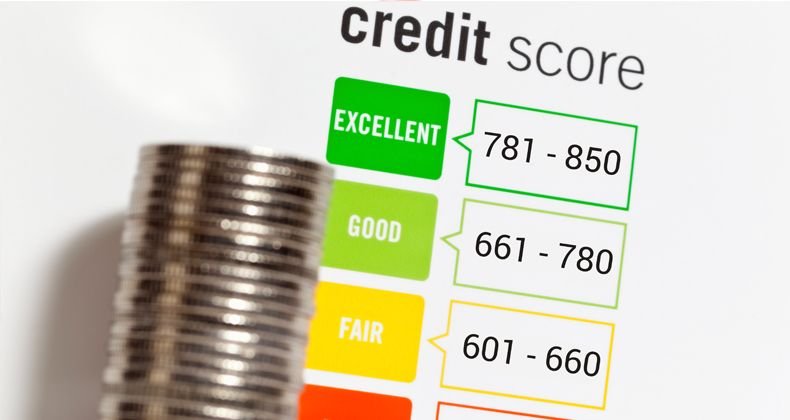
A good credit score can make many financial decisions easier. It can help you qualify for loans and credit cards, potentially receive better interest rates, and demonstrate that you have a history of managing borrowed money responsibly.
The good news is that your credit score is not fixed forever. If your score is lower than you want, there are practical steps you can take to improve it over time.
Improving your credit score usually requires patience and consistent financial habits. Paying bills on time, keeping credit card balances under control, checking your credit report, and avoiding unnecessary new debt can all help.
In this guide, we will explain what a credit score is, why it matters, what factors can affect it, and practical ways to improve your credit score.
What Is a Credit Score?
A credit score is a numerical representation of your credit history and how you have managed borrowed money.
Credit scoring systems use information from your credit history to estimate how likely you are to repay borrowed money as agreed.
Different countries and credit bureaus use different scoring models, so the exact score range and calculation can vary.
Generally, a higher score indicates a stronger credit history, while a lower score may make borrowing more difficult or expensive.
Why Is Your Credit Score Important?
Your credit score can affect your ability to access credit.
Depending on the lender and your location, your credit score may be considered when you apply for:
- Credit cards
- Personal loans
- Auto loans
- Mortgages
- Other forms of credit
A stronger credit profile may improve your chances of approval and may help you qualify for more favorable terms.
However, lenders usually consider more than just your credit score. Your income, existing debts, employment, repayment history, and other information may also be considered.
What Affects Your Credit Score?
The factors used to calculate a credit score vary depending on the scoring model.
Common factors include:
Payment History
Your history of making payments on time can be one of the most important parts of your credit profile.
Late or missed payments may negatively affect your credit history.
Credit Utilization
Credit utilization refers to how much of your available revolving credit you are using.
For example, if your credit card limit is $5,000 and your balance is $1,000, your utilization is 20%.
Keeping balances relatively low can be helpful for your credit profile.
Length of Credit History
The age of your credit accounts may also matter.
A longer history of responsible credit management can provide lenders and scoring models with more information about your financial behavior.
Types of Credit
Having experience with different types of credit can sometimes contribute to your credit profile.
However, you should not open accounts simply to create a particular credit mix.
New Credit Applications
Applying for multiple new credit accounts within a short period can result in multiple credit inquiries and may signal increased borrowing activity.
Only apply for credit when you actually need it.
1. Pay Your Bills on Time
One of the most important habits for maintaining a healthy credit profile is making payments on time.
Set reminders for credit cards, loans, and other accounts that may be reported to credit bureaus.
If your lender offers automatic payments, you may be able to schedule at least the required payment automatically.
For example, if your credit card payment is due on the 15th of every month, set a reminder several days before the due date.
The goal is to avoid missed payments caused simply by forgetting.
2. Keep Credit Card Balances Under Control
Using a large portion of your available credit can make your credit utilization high.
For example:
| Credit Limit | Balance | Utilization |
|---|---|---|
| $5,000 | $500 | 10% |
| $5,000 | $1,500 | 30% |
| $5,000 | $4,000 | 80% |
Lower utilization is generally better for your credit profile than consistently using most of your available limit.
This does not mean you should carry a balance from month to month just to improve your credit score.
If possible, pay your credit card balance according to your budget and avoid paying unnecessary interest.
3. Pay More Than the Minimum When Possible
Credit card companies often require a minimum monthly payment.
Paying only the minimum can keep the account current, but it may take much longer to repay the balance and can result in significant interest costs.
If your budget allows, paying more than the minimum can help reduce your balance faster.
For example, instead of paying only the minimum on a large balance, you could make an additional payment toward the principal.
Reducing your debt can also lower your credit utilization.
4. Check Your Credit Report
Review your credit report periodically.
Your credit report may contain information about:
- Credit accounts
- Payment history
- Outstanding balances
- Credit inquiries
- Accounts that have been closed
- Other credit-related information
Checking your report can help you identify inaccurate information.
If you find an error, follow the appropriate dispute process with the relevant credit bureau or reporting institution.
5. Correct Errors on Your Credit Report
Credit report errors can happen.
For example, a report might contain:
- An account that does not belong to you
- An incorrect payment status
- An inaccurate balance
- Duplicate information
- Incorrect personal information
If you find an error, gather supporting documents and contact the relevant credit bureau or lender according to their dispute procedures.
Do not ignore incorrect information. Resolving genuine errors can help ensure that your credit history accurately reflects your financial behavior.
6. Avoid Applying for Too Much Credit at Once
Opening several credit accounts in a short period may create multiple credit inquiries.
It can also increase the amount of credit available to you and make it easier to take on debt you cannot comfortably afford.
Before applying for a new credit card or loan, ask yourself:
Do I actually need this credit?
If the answer is no, avoiding the application may be the better financial decision.
7. Keep Older Accounts Open When Appropriate
The age of your credit accounts can sometimes contribute to your credit profile.
Closing an old credit card may reduce your available credit and can affect your credit history depending on the scoring system.
However, keeping an account open is not always the right decision.
If an account has expensive fees or encourages you to overspend, closing it may make sense.
Consider the overall financial impact before making the decision.
8. Pay Down High-Interest Debt
High-interest debt can make it difficult to reduce your balances.
For example, if a credit card has a high interest rate, a significant portion of your payment may go toward interest rather than reducing the amount you owe.
Create a debt repayment plan and focus on reducing expensive debt while continuing to make required payments on your other accounts.
As your balances decrease, your credit utilization may also improve.
9. Create a Budget
A budget can indirectly help your credit score by making it easier to manage payments and debt.
Start by listing:
- Monthly income
- Housing costs
- Food
- Transportation
- Utilities
- Debt payments
- Savings
- Other regular expenses
Then determine how much money is available for debt repayment.
A realistic budget can help prevent missed payments and reduce the need to rely on credit cards for everyday expenses.
10. Build an Emergency Fund
Unexpected expenses can quickly lead to new credit card debt.
Imagine your car suddenly needs a $700 repair and you have no savings. You might have to put the entire expense on a credit card.
An emergency fund can give you another option.
Start small if necessary. Even a modest savings balance can provide some protection against unexpected expenses.
Over time, work toward building an emergency fund that can cover several months of essential expenses if your financial situation allows.
11. Do Not Carry a Credit Card Balance Just to Build Credit
A common misunderstanding is that you must keep a credit card balance and pay interest to build a good credit score.
That is generally not necessary.
Responsible credit use is more important than paying unnecessary interest.
If your card issuer reports your payment history and you pay your balance responsibly, you can build a credit history without intentionally carrying expensive debt.
12. Use Credit Cards Responsibly
Credit cards can be useful financial tools when managed carefully.
Try to use them for purchases that fit within your budget.
For example, if you earn $3,000 per month and have already planned $300 for groceries, using a credit card for those groceries can be manageable if you have a plan to pay the bill.
The problem starts when credit cards are used to spend more than you can afford.
Credit should not be treated as extra income.
13. Make Debt Payments a Priority
When creating your monthly budget, include debt payments as an important expense.
You should know:
- How much you owe
- Your minimum payment
- Your interest rate
- Your due date
- Your total balance
A simple debt list can make your repayment plan easier to follow.
For example:
| Debt | Balance | Interest Rate | Minimum Payment |
|---|---|---|---|
| Credit Card A | $2,000 | 20% | $60 |
| Credit Card B | $1,000 | 25% | $40 |
| Personal Loan | $5,000 | 10% | $150 |
Once you have this information, you can decide how to direct extra payments based on your financial goals.
14. Be Patient
Improving a credit score usually does not happen overnight.
If your credit history contains missed payments or high balances, it may take time for your financial behavior to improve your overall credit profile.
Focus on consistent habits rather than quick fixes.
Pay your bills on time, reduce debt, monitor your credit report, and avoid unnecessary borrowing.
Over time, responsible behavior can create a stronger credit history.
15. Be Careful With Companies Promising Fast Credit Repair
Be cautious of companies that promise to dramatically improve your credit score immediately.
Some services may charge fees while offering little value.
You can take many basic credit-improvement steps yourself, such as reviewing your credit report, disputing genuine errors, paying bills on time, and reducing debt.
If you consider using a credit-repair service, research the company carefully and understand exactly what it charges and what services it provides.
Example: Improving a Credit Score
Imagine Alex has three credit cards.
His total credit limit is $10,000, but he currently owes $6,000.
That means his overall utilization is relatively high.
Alex decides to make several changes.
First, he creates a monthly budget. Then he stops using his cards for unnecessary purchases and begins paying more than the minimum whenever possible.
Over several months, his balances decrease.
He also checks his credit report and discovers an inaccurate account entry, which he disputes through the appropriate process.
At the same time, he continues making all required payments on time.
Alex’s situation will not necessarily improve immediately, but these habits can help create a healthier credit profile over time.
Common Credit Score Mistakes
Avoid these common mistakes:
- Missing payment due dates
- Using most of your available credit
- Applying for unnecessary credit
- Ignoring your credit report
- Keeping large credit card balances
- Making only minimum payments for long periods
- Taking on debt you cannot afford
- Closing accounts without considering the consequences
- Paying unnecessary interest just to build credit
- Believing promises of instant credit-score improvement
Simple Credit Improvement Plan
If you want to improve your credit score, start with these steps:
Step 1: Check Your Credit
Review your credit report and understand your current situation.
Step 2: List Your Debts
Write down each balance, interest rate, minimum payment, and due date.
Step 3: Automate Payments
Set up automatic payments or reminders to help prevent missed due dates.
Step 4: Reduce Credit Card Balances
Focus on paying down high-interest debt and lowering your credit utilization.
Step 5: Avoid Unnecessary Applications
Only apply for new credit when it serves a real financial purpose.
Step 6: Monitor Your Progress
Review your balances and credit information periodically.
Step 7: Stay Consistent
Good credit is built through repeated responsible financial behavior.
Final Thoughts
Improving your credit score is a long-term process, not a quick financial trick.
The most important habits are simple: pay your bills on time, manage credit card balances carefully, reduce unnecessary debt, check your credit report, and avoid borrowing more than you can afford.
You do not need to make dramatic changes overnight. Start with one or two improvements and build from there.
A stronger credit history can support your financial goals and give you more options when you need to borrow money in the future.
Most importantly, remember that your credit score is only one part of your overall financial health. Building savings, controlling expenses, managing debt, and living within your means are equally important.
Frequently Asked Questions
How long does it take to improve a credit score?
The timeline varies depending on your credit history, the scoring model, and the changes you make. Some improvements may appear relatively quickly, while rebuilding a damaged credit history can take much longer.
What is the fastest way to improve a credit score?
There is no guaranteed instant solution. Paying bills on time, reducing high credit card balances, correcting genuine credit-report errors, and avoiding unnecessary new debt are practical steps that may help over time.
Does paying off a credit card improve your credit score?
Paying down a credit card can reduce your credit utilization, which may help your credit profile. However, the exact effect depends on the scoring model and your overall credit history.
Should I close an old credit card?
Not necessarily. Closing an old account can have consequences depending on your credit history and scoring model. Consider fees, utilization, account age, and whether the card encourages unnecessary spending before making a decision.
Does carrying a credit card balance improve credit?
You generally do not need to carry a balance or pay interest to build credit. Responsible use and on-time payments are more important than intentionally paying interest.
Does checking my own credit report hurt my credit score?
Checking your own credit information is generally considered a soft inquiry and does not have the same effect as a lender’s hard credit inquiry. Rules can vary by country and reporting system.
How can I improve my credit score without taking on more debt?
You can focus on paying existing accounts on time, reducing balances, correcting credit-report errors, maintaining a budget, and avoiding unnecessary new credit applications.
Can a low credit score be improved?
Yes. A low credit score is not necessarily permanent. Consistent responsible financial behavior can help improve your credit profile over time.
Should I use all of my available credit?
It is generally better to avoid consistently using most of your available revolving credit. Keeping balances manageable can help keep credit utilization lower.
What is the most important thing for a good credit score?
There is no single factor that applies identically to every scoring model, but making payments on time and managing debt responsibly are fundamental parts of maintaining a healthy credit history.




Leave a Reply