


Choosing the right bank account is an important financial decision. The account you use can affect how easily you manage your money, how much you pay in fees, how much interest you earn, and how convenient it is to access your funds.
With so many banks and account options available, choosing one can sometimes feel confusing. Some accounts are designed for everyday spending, while others are better for saving money. Some banks offer low fees, while others provide additional services, digital tools, rewards, or higher interest rates.
The good news is that you do not need to understand every banking product to make a good decision. By considering your financial needs, comparing important features, and understanding the fees involved, you can find an account that fits your situation.
In this guide, we will explain what to look for when choosing a bank account and how to compare different options before making a decision.
What Is a Bank Account?
A bank account is a financial account that allows you to store and manage your money through a bank or financial institution.
Depending on the type of account, you may be able to:
- Deposit money
- Withdraw cash
- Receive your salary
- Pay bills
- Transfer money
- Use a debit card
- Save for future goals
- Earn interest
Different accounts are designed for different purposes, so the best account for you depends on how you plan to use your money.
Why Is Choosing the Right Bank Account Important?
Not all bank accounts work the same way.
One account may charge a monthly maintenance fee, while another may have no monthly fee. One may offer convenient mobile banking, while another may have better access to physical branches.
Choosing the right account can help you:
- Reduce unnecessary banking fees
- Access your money conveniently
- Earn interest on savings
- Manage everyday spending
- Organize your finances
- Automate savings
- Make payments more easily
A good bank account should fit your financial habits rather than forcing you to change everything about the way you manage your money.
Step 1: Decide Why You Need the Account
Before comparing banks, determine what you want the account to do.
Ask yourself:
Do I need an account for everyday spending?
If so, you may want an account that provides easy access to your money, a debit card, online banking, and convenient transfers.
Do I want to save money?
A savings account may be more appropriate if your main goal is to keep money aside and potentially earn interest.
Do I need both?
Many people benefit from having separate accounts for everyday spending and savings.
Knowing the purpose of the account makes it easier to compare the right features.
Step 2: Understand Different Types of Bank Accounts
Banks offer several types of accounts.
Checking or Current Account
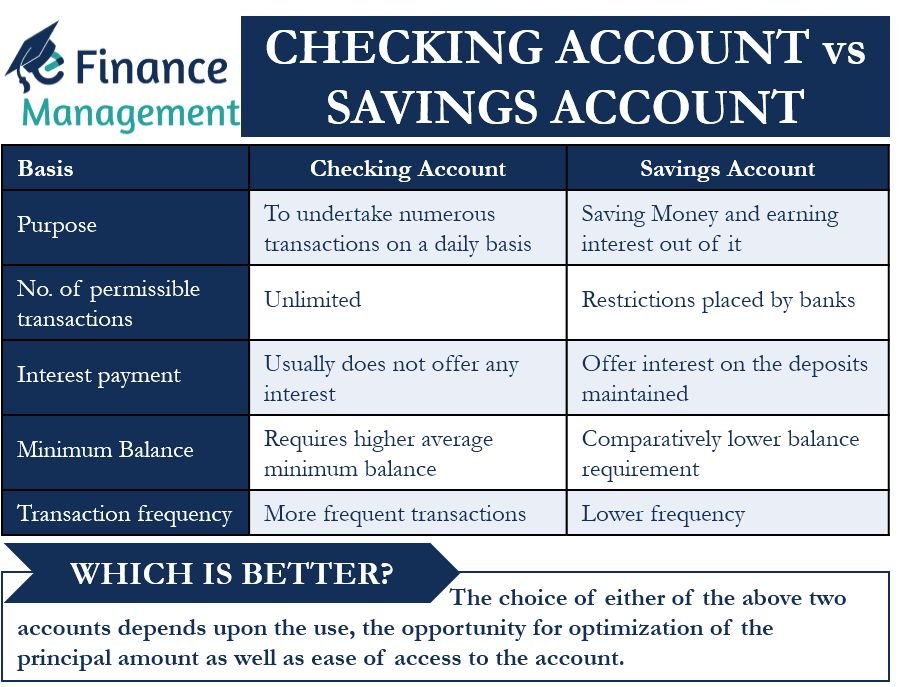
A checking or current account is generally designed for everyday financial transactions.
It can be useful for:
- Receiving income
- Paying bills
- Making purchases
- Transferring money
- Using a debit card
- Managing regular expenses
These accounts typically focus on accessibility and transactions rather than maximizing interest earnings.
Savings Account
A savings account is designed primarily for storing money and building savings.
Depending on the bank and account, you may earn interest on the balance.
Savings accounts can be useful for:
- Emergency funds
- Short-term goals
- Future purchases
- General savings
Fixed or Term Deposit Account
Some banks offer accounts where you agree to keep your money deposited for a specific period in exchange for a defined return or interest rate, subject to the account’s terms.
These accounts may be suitable for money you do not expect to need immediately.
Always review withdrawal restrictions, penalties, and other conditions before opening one.
Step 3: Compare Monthly Fees
Banking fees can reduce the value of your account over time.
Some accounts may charge fees for:
- Monthly maintenance
- ATM withdrawals
- Transfers
- Overdrafts
- Paper statements
- International transactions
- Debit cards
- Certain account services
A $10 monthly fee may not seem significant, but it would equal $120 over a year.
When comparing accounts, look beyond promotional offers and check the standard fee schedule.
Ask:
What will this account cost me in a normal month?
If an account has a monthly fee, check whether there are ways to have the fee waived, such as maintaining a minimum balance or receiving regular deposits.
Step 4: Check Minimum Balance Requirements
Some accounts require you to maintain a minimum balance.
For example, a bank may require you to keep a certain amount in the account to avoid a monthly fee.
If your balance frequently falls below that amount, the account may become more expensive than expected.
Choose an account with requirements that match your financial situation.
Do not choose an account with a high minimum balance simply because it offers attractive features if maintaining that balance would make your finances difficult.
Step 5: Look at Interest Rates
If you are opening a savings account, the interest rate is an important factor.
A higher interest rate can help your savings grow faster, assuming the account’s other terms are suitable.
However, do not look at the interest rate alone.
Also consider:
- Minimum balance requirements
- Withdrawal restrictions
- Fees
- Promotional periods
- Eligibility requirements
- How often interest is calculated or paid
An account with a slightly lower rate but no significant fees may sometimes be more useful than an account offering a higher rate with expensive charges.
Step 6: Check ATM Access
Consider how often you use cash and where you normally withdraw money.
Look at:
- Number of ATMs
- ATM locations
- ATM fees
- Out-of-network charges
- Withdrawal limits
If you regularly need cash, convenient ATM access can make a significant difference.
Also check whether the bank charges fees when you use another bank’s ATM.
Step 7: Evaluate Mobile and Online Banking
Digital banking has become an important part of managing money.
Before opening an account, check what online and mobile banking features are available.
Useful features may include:
- Checking balances
- Viewing transactions
- Transferring money
- Paying bills
- Depositing checks where supported
- Receiving alerts
- Managing debit cards
- Locking or temporarily disabling a card
- Downloading statements
A well-designed banking app can make everyday money management much easier.
Step 8: Consider Branch Availability
Although many banking services are now available online, some people still prefer physical branches.
Think about how often you may need in-person assistance.
If you regularly deposit cash, need face-to-face support, or prefer speaking with bank staff, branch availability may be important.
If you rarely visit branches, you may place more importance on digital services and lower fees.
Step 9: Check Deposit and Withdrawal Limits
Some accounts may have restrictions on how much you can deposit or withdraw under certain circumstances.
Check:
- Daily ATM withdrawal limits
- Transfer limits
- Cash deposit rules
- Online transfer limits
- Withdrawal restrictions on savings products
These limits may not matter for everyday use, but they can become important when making large transactions.
Step 10: Review Debit Card Features
If the account includes a debit card, understand how it works.
Check:
- Card fees
- Replacement fees
- ATM access
- International usage
- Transaction limits
- Contactless payment availability
- Card security features
You should also understand how to report a lost or stolen card and how quickly the bank can provide a replacement.
Step 11: Consider Customer Service
Banking problems can be stressful, especially when they involve missing transactions, blocked cards, or unauthorized activity.
Before choosing an account, consider how the bank provides customer support.
Look for options such as:
- Phone support
- Online chat
- Email support
- Branch assistance
- 24-hour support where available
A bank with convenient customer service can make it easier to resolve problems when they occur.
Step 12: Think About Security
Security should be a major consideration when choosing a bank account.
Look for features such as:
- Two-factor authentication
- Transaction alerts
- Card controls
- Fraud monitoring
- Secure login
- Account notifications
Never share your banking password, PIN, one-time verification codes, or other security credentials with anyone.
Be cautious of unexpected messages asking you to click links or provide banking information.
Use official banking channels when accessing your account.
Step 13: Compare Banks Before Making a Decision
Do not choose the first account you find.
Create a simple comparison list.
For example:
| Feature | Bank A | Bank B | Bank C |
|---|---|---|---|
| Monthly Fee | Low | None | Low |
| Minimum Balance | Required | None | Required |
| Mobile Banking | Yes | Yes | Yes |
| ATM Access | Good | Excellent | Good |
| Savings Interest | Average | High | Average |
| Branch Access | Good | Limited | Excellent |
The exact features will vary between banks and countries, so always check current terms directly with the bank.
The purpose of the comparison is to identify which account offers the best combination of convenience, cost, and features for your needs.
Step 14: Read the Terms and Conditions
Before opening an account, read the important terms.
Pay particular attention to:
- Fees
- Minimum balance requirements
- Interest rates
- Withdrawal restrictions
- Transfer limits
- Account closure rules
- Card fees
- International transaction charges
Promotional offers can sometimes have conditions that are easy to overlook.
Understanding the terms before opening the account can prevent unpleasant surprises later.
Step 15: Think About Your Future Needs
Choose an account that can continue to work for you as your financial situation changes.
For example, you may start with a basic account but later need:
- Direct deposit
- Additional savings accounts
- International transfers
- Joint banking
- Business services
- Investment services
- Larger transaction limits
You do not need every feature immediately, but it is useful to consider whether the bank offers additional services you may eventually need.
Common Mistakes When Choosing a Bank Account
Choosing Based Only on a Promotion
A temporary bonus or promotional rate may look attractive, but always check the long-term fees and conditions.
Ignoring Fees
Small fees can become expensive when charged regularly.
Not Checking Minimum Balance Requirements
If you cannot consistently maintain the required balance, you may end up paying unnecessary fees.
Choosing a Bank Without Checking Digital Services
If you prefer managing money online, make sure the bank’s mobile and online tools meet your needs.
Opening Too Many Accounts
Having multiple accounts can be useful, but too many can make your finances difficult to organize.
Not Reading the Terms
Always understand the important rules and fees before opening an account.
Should You Have More Than One Bank Account?
There is no universal answer.
Some people prefer one account for simplicity.
Others use multiple accounts for different purposes.
For example:
Everyday account: Used for bills, purchases, and regular expenses.
Savings account: Used for emergency savings and financial goals.
Separate goal account: Used for a specific purpose such as a vacation, education, or a large purchase.
Having separate accounts can make it easier to organize money, but only if you can manage them effectively.
Final Thoughts
Choosing the right bank account does not have to be complicated.
Start by identifying what you need the account for. Then compare fees, minimum balance requirements, interest rates, ATM access, digital banking features, customer service, security, and other important terms.
Do not choose an account simply because it has the highest advertised interest rate or a temporary promotion.
The best bank account is one that fits your financial situation, keeps costs reasonable, provides convenient access to your money, and offers the features you actually need.
Take your time, compare your options, and read the account terms carefully before making a decision.
A suitable bank account can make everyday money management easier and support your broader financial goals.
Frequently Asked Questions
What should I look for when choosing a bank account?
Look at fees, minimum balance requirements, interest rates, ATM access, mobile banking, customer service, security features, and transaction limits.
Is a checking account better than a savings account?
Neither is automatically better. A checking or current account is generally designed for everyday transactions, while a savings account is designed for holding money for future use and may pay interest.
Should I choose a bank with physical branches?
It depends on your preferences. If you regularly need in-person services, branches may be important. If you primarily use mobile and online banking, digital features may matter more.
Are bank fees important?
Yes. Even relatively small recurring fees can add up over time. Always review the complete fee structure before opening an account.
How many bank accounts should I have?
There is no fixed number. One account may be enough for some people, while others may prefer separate accounts for everyday spending and savings.
Is online banking safe?
Online banking can be secure when provided by a reputable financial institution and used carefully. Protect your passwords and verification codes, enable available security features, and avoid accessing your account through suspicious links.






Leave a Reply