


A bank account is an important part of managing your personal finances. It gives you a place to receive income, pay bills, save money, and handle everyday expenses. However, simply having a bank account is not enough. You also need to manage it properly.
Good bank account management can help you avoid unnecessary fees, prevent missed payments, detect suspicious transactions, and keep your financial goals on track.
The good news is that managing your bank account does not have to be complicated. A few simple habits can make a big difference.
In this guide, we will cover practical tips for managing your bank account effectively, including monitoring transactions, avoiding fees, keeping enough money available, using online banking safely, and building better financial habits.
1. Know Your Account Balance
One of the simplest and most important banking habits is knowing how much money you have available.
Check your account balance regularly, especially before making large purchases or paying important bills.
For example, imagine you have $1,500 in your bank account. You have a $700 rent payment and $200 in other bills coming up. Although your balance shows $1,500, you should not think of the entire amount as available spending money.
After accounting for upcoming expenses, you may have only $600 available for other spending.
Knowing your real available balance can help prevent overspending and declined payments.
2. Track Your Transactions
Make a habit of reviewing your recent bank transactions.
Look for:
- Purchases
- ATM withdrawals
- Transfers
- Bill payments
- Direct deposits
- Bank fees
- Subscription payments
Regularly reviewing transactions helps you understand where your money is going.
It can also help you identify mistakes or transactions you do not recognize.
Even a five-minute review once or twice a week can make a difference.
3. Create a Monthly Budget
A bank account should work together with your budget.
Before the month begins, estimate your income and expected expenses.
For example:
| Category | Monthly Amount |
|---|---|
| Income | $3,000 |
| Rent | $900 |
| Food | $400 |
| Transportation | $250 |
| Utilities | $200 |
| Savings | $500 |
| Other expenses | $450 |
| Remaining amount | $300 |
A budget gives every part of your income a purpose.
It also helps you avoid spending too much early in the month and struggling to cover important expenses later.
4. Keep Money for Upcoming Bills
Do not treat all the money in your checking or everyday account as spending money.
Set aside enough to cover upcoming bills.
If you know that your rent, electricity, phone, and insurance payments are due soon, keep enough money available for them.
This simple habit can reduce the risk of missed payments and overdrafts.
5. Avoid Unnecessary Bank Fees
Bank fees can slowly reduce your money over time.
Depending on the bank and account type, you may encounter fees for:
- Monthly maintenance
- ATM withdrawals
- Overdrafts
- Insufficient funds
- International transactions
- Wire transfers
- Certain account services
Review your bank’s current fee schedule and understand which activities may result in charges.
Sometimes you can avoid a fee by maintaining a required minimum balance, using your bank’s network of ATMs, or choosing a different account.
6. Set Up Account Alerts
Many banks allow customers to receive alerts when certain activities happen.
You may be able to receive notifications for:
- Large purchases
- Withdrawals
- Transfers
- Low balances
- Login attempts
- Deposits
Account alerts can help you monitor your money without constantly checking your account manually.
For example, if you receive an alert about a purchase you did not make, you can investigate the transaction quickly.
7. Keep an Emergency Fund
An emergency fund can protect your bank account when unexpected expenses appear.
Examples include:
- Car repairs
- Medical expenses
- Home repairs
- Emergency travel
- Temporary loss of income
A common goal is to gradually build enough savings to cover several months of essential expenses. The right amount depends on your income, expenses, job situation, and personal circumstances.
Even if you cannot save a large amount immediately, starting with a small emergency fund is better than having no savings at all.
8. Separate Spending and Savings
Keeping all your money in one account can make it easier to spend your savings accidentally.
Consider using separate accounts for different purposes.
For example:
Everyday account:
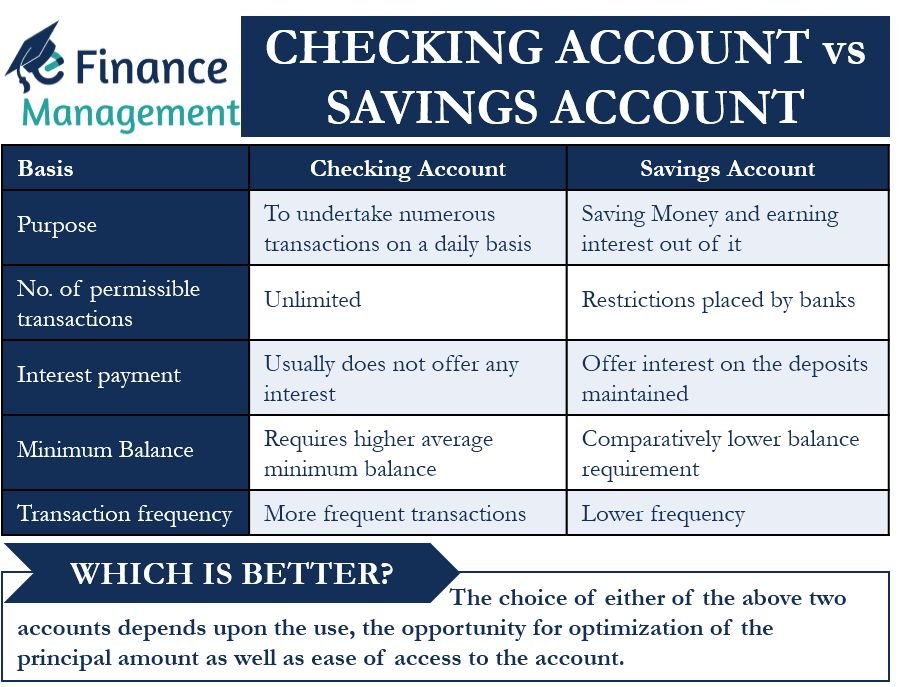
Used for groceries, transportation, bills, and regular spending.
Savings account:
Used for emergency savings and long-term goals.
Separating your money can make your financial goals easier to manage.
9. Automate Your Savings
One of the easiest ways to save consistently is to automate the process.
You can arrange for a specific amount of money to move from your everyday account to your savings account regularly, if your bank supports this feature.
For example, if you receive $3,000 each month, you might automatically transfer $300 to savings.
This allows you to save before you have an opportunity to spend the money.
10. Be Careful With Automatic Payments
Automatic payments can be convenient, but they should not be forgotten.
Subscriptions and recurring bills can continue charging your account even when you no longer use the service.
Review your automatic payments regularly.
Ask yourself:
- Do I still use this service?
- Is the price still reasonable?
- Is there a cheaper option?
- When will the next payment be taken?
Cancel unnecessary subscriptions and make sure enough money is available for important automatic payments.
11. Keep Your Contact Information Updated
Your bank may use your phone number, email address, or mailing address to contact you about your account.
If your contact information changes, update it with your bank.
This can help ensure that you receive important notifications and security alerts.
12. Protect Your Online Banking Information
Online banking makes account management convenient, but you should protect your login information carefully.
Use a strong, unique password and enable additional security features when available.
Avoid:
- Sharing your password
- Clicking suspicious banking links
- Giving verification codes to strangers
- Logging into your account on unknown devices
- Using suspicious banking apps
Always access your account through your bank’s official website or application.
13. Review Your Bank Statements
Even if you use mobile banking, reviewing your bank statement can be useful.
A statement gives you a record of your account activity for a specific period.
Check for:
- Unexpected fees
- Unrecognized transactions
- Duplicate charges
- Incorrect payments
- Missing deposits
If something looks wrong, contact your bank promptly.
14. Keep a Minimum Safety Balance
Consider keeping a small buffer in your everyday account.
For example, if your regular monthly expenses usually leave you with $100, you might try to maintain an additional amount as a cushion when possible.
This can help protect you from unexpected expenses or timing differences between deposits and withdrawals.
However, the ideal buffer depends on your personal financial situation.
15. Know When Your Bills Are Due
Missing a bill payment can result in late fees, service interruptions, or other problems.
Create a list of your regular payment dates.
For example:
| Bill | Due Date |
|---|---|
| Rent | 1st |
| Internet | 10th |
| Electricity | 15th |
| Phone | 20th |
| Insurance | 25th |
You can use a calendar, reminder app, spreadsheet, or banking alerts to keep track of payment dates.
16. Reconcile Your Account Regularly
Account reconciliation simply means comparing your own records with your bank’s records.
For example, you might keep track of your spending in a budgeting app or spreadsheet. At the end of the week, compare your records with your bank transactions.
This can help you find:
- Forgotten purchases
- Pending transactions
- Incorrect amounts
- Bank fees
- Duplicate charges
You do not necessarily need to do a complicated reconciliation every day. A weekly or monthly review may be enough for many people.
17. Avoid Impulse Spending
Having easy access to money can make impulse purchases more tempting.
Before making an unnecessary purchase, ask yourself:
Do I need this, or do I simply want it right now?
For larger purchases, consider waiting 24 hours before buying.
This small delay can help you decide whether the purchase fits your budget.
18. Be Careful With Debit Cards
Debit cards provide convenient access to money in your bank account.
However, remember that purchases made with a debit card generally come directly from your available funds.
Keep track of your debit card transactions and report lost or suspicious cards quickly.
If your bank provides the option, consider using transaction alerts to monitor card activity.
19. Review Your Bank Account Every Month
Set aside some time at the end of each month to review your overall account activity.
Ask yourself:
- How much money came in?
- How much did I spend?
- How much did I save?
- Did I pay all my bills?
- Did I pay unnecessary fees?
- Were there any suspicious transactions?
- Am I making progress toward my financial goals?
This monthly review can help you identify problems before they become bigger.
20. Choose the Right Account for Your Needs
Sometimes poor account management is actually caused by having the wrong type of account.
For example, an account with high fees may not be suitable if you rarely use the services that justify those fees.
Review your account’s:
- Monthly fees
- Minimum balance requirements
- ATM access
- Interest rate, where applicable
- Transfer fees
- Online banking features
- Additional services
If your needs have changed, compare your current account with other options offered by your bank or other financial institutions.
Example of Good Bank Account Management
Imagine Sarah earns $3,500 per month.
She receives her salary in her everyday bank account and immediately divides her money according to her budget.
She transfers $500 to savings, keeps $1,200 available for rent and bills, and uses the remaining amount for groceries, transportation, entertainment, and other expenses.
She also has account alerts enabled and reviews her transactions every Sunday.
At the end of the month, she checks her bank statement and notices that she spent $180 on subscriptions and online services.
After reviewing them, she cancels two services she no longer uses.
This small change saves her money every month.
The example shows how regular account management can improve financial awareness without requiring complicated financial strategies.
Common Bank Account Management Mistakes
Many people make avoidable mistakes with their bank accounts.
Some of the most common include:
- Not checking account balances
- Ignoring bank statements
- Forgetting automatic payments
- Paying unnecessary fees
- Spending money reserved for bills
- Using weak passwords
- Sharing banking information
- Not monitoring debit card transactions
- Keeping all savings in a spending account
- Failing to update contact information
Avoiding these mistakes can make your finances more organized and secure.
Simple Weekly Bank Account Routine
You do not need to spend hours managing your account.
A simple weekly routine can take just a few minutes.
Every Week:
Step 1: Check your current balance.
Step 2: Review recent transactions.
Step 3: Look for unusual charges.
Step 4: Check upcoming bills.
Step 5: Confirm that enough money is available.
Step 6: Review your savings progress.
Step 7: Adjust your spending if necessary.
Following this routine consistently can help you stay in control of your money.
Final Thoughts
Managing a bank account effectively is mostly about consistency.
Check your balance, monitor transactions, keep money available for important bills, avoid unnecessary fees, protect your online banking information, and review your finances regularly.
It is also helpful to separate spending money from savings and automate your savings whenever possible.
You do not need complicated financial strategies to manage your bank account well. Small, consistent habits can help you avoid mistakes, protect your money, and make better financial decisions.
The goal is simple: know where your money is, know where it is going, and make sure your bank account supports your financial goals.
Frequently Asked Questions
How often should I check my bank account?
Checking your account at least once or twice a week is a useful habit. More frequent monitoring may be appropriate if you have many transactions or want to closely track your spending.
How can I avoid bank fees?
Understand your bank’s current fee schedule and avoid activities that trigger unnecessary charges. Depending on the account, maintaining required balances or using in-network ATMs may help reduce fees.
Should I have separate checking and savings accounts?
For many people, separate accounts can make budgeting and saving easier. An everyday account can be used for regular expenses while a savings account can hold money for emergencies and future goals.
How much money should I keep in my bank account?
The right amount depends on your income, expenses, upcoming bills, and financial goals. Keep enough to cover expected expenses and consider maintaining a reasonable emergency buffer.
What should I do if I see an unfamiliar transaction?
Contact your bank through an official channel as soon as possible. Follow the bank’s instructions for reporting unauthorized activity and securing your account.
Is it safe to use online banking?
Online banking can be safe when you use the official banking website or app, protect your login information, enable available security features, and avoid suspicious links and unsecured devices.
How can I stop overspending from my bank account?
Create a monthly budget, separate savings from spending money, track transactions, and consider using spending limits. Waiting before making unnecessary purchases can also reduce impulse spending.
Should I check my bank statement every month?
Yes. Reviewing your statement can help you identify unexpected transactions, fees, duplicate charges, or other problems.
How can I save money automatically?
If your bank supports automatic transfers, schedule regular transfers from your everyday account to your savings account. Choose an amount that fits comfortably within your budget.
What is the most important bank account management habit?
One of the most important habits is regularly monitoring your account. Knowing your balance and reviewing transactions helps you stay aware of your money and identify potential problems quickly.






Leave a Reply