


Saving money can sometimes feel difficult, especially when everyday expenses continue to increase. Between bills, groceries, transportation, subscriptions, shopping, and unexpected costs, it can seem like there is never enough money left at the end of the month.
The good news is that saving more money does not always require major lifestyle changes. Small improvements in your everyday spending habits can make a meaningful difference over time.
The key is to create a simple savings system that fits your income and lifestyle. You do not have to stop enjoying life or avoid every purchase. Instead, focus on spending intentionally, reducing unnecessary costs, and making saving a regular habit.
In this guide, we will explore simple and practical ways to save more money, reduce unnecessary spending, and build stronger financial habits.
Why Is Saving Money Important?
Saving money gives you greater financial flexibility and security.
Having savings can help you:
- Handle unexpected expenses
- Avoid relying on credit cards or loans
- Pay for large purchases
- Prepare for emergencies
- Reach financial goals
- Reduce financial stress
- Plan for the future
- Take advantage of investment opportunities
For example, if your car suddenly needs a repair, having an emergency fund means you may be able to pay for it without taking on additional debt.
Saving is not only about having more money. It is about creating choices and reducing financial pressure.
1. Start With a Specific Savings Goal
One of the easiest ways to become a better saver is to give your savings a purpose.
Instead of simply saying, “I want to save more money,” choose a specific goal.
Your goal might be:
- Save $1,000 for emergencies
- Save for a vacation
- Buy a new laptop
- Pay off debt
- Build a home deposit
- Save for education
- Prepare for retirement
A specific goal gives you something measurable to work toward.
For example, if you want to save $1,200 in one year, you could aim to save approximately $100 per month.
Breaking a large goal into smaller monthly or weekly targets can make saving feel much easier.
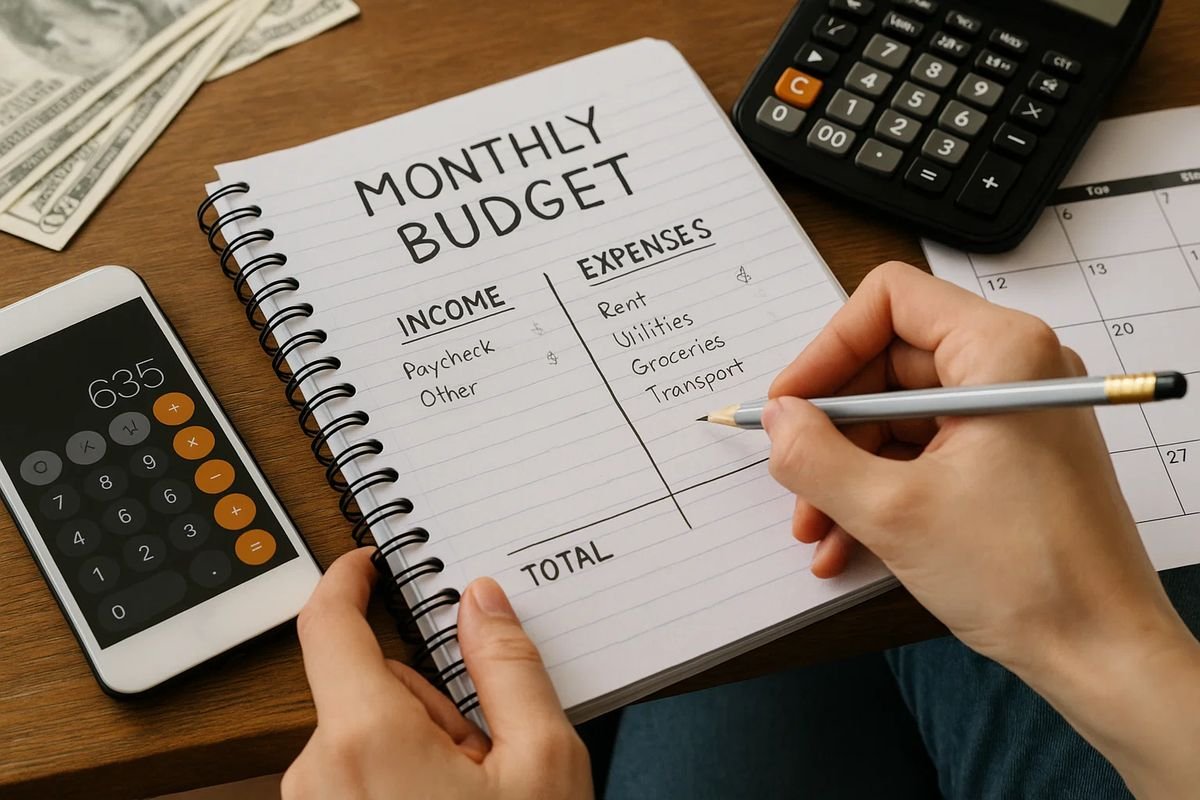
2. Create a Monthly Budget
A budget is one of the most effective tools for saving money because it shows you where your money is going.
Start by calculating your monthly income and listing your expenses.
Separate your spending into categories such as:
- Housing
- Food
- Transportation
- Utilities
- Debt payments
- Entertainment
- Shopping
- Personal expenses
- Savings
Once you know how much you spend, look for categories where you can make reasonable reductions.
For example, if you spend $250 each month on eating out, reducing that amount to $175 would free up $75 for savings.
You do not need to eliminate the expense completely. Small adjustments can add up.
3. Pay Yourself First
Many people follow this pattern:
Income → Bills → Spending → Whatever is left goes to savings
The problem is that there may be very little left.
Instead, try:
Income → Savings → Bills → Spending
This approach is often called “paying yourself first.”
When you receive your income, move a predetermined amount into savings before spending the rest.
Even a small automatic transfer can help build consistency.
For example, automatically saving $50 every week would result in about $2,600 saved over a year, assuming the transfers continue consistently.
4. Automate Your Savings
Saving manually every month requires discipline. Automation makes the process easier.
You can arrange for a specific amount to move automatically from your main account into a savings account after receiving your income.
This reduces the temptation to spend the money.
Automation is particularly useful because you do not have to make the same decision every month.
Once the system is established, saving becomes part of your routine.
5. Reduce Unnecessary Subscriptions
Subscriptions can quietly consume a significant amount of money.
Review services such as:
- Streaming platforms
- Music subscriptions
- Fitness memberships
- Cloud storage
- Gaming services
- Premium apps
- Online memberships
Ask yourself whether you actually use each service.
If you are paying for several subscriptions but regularly use only one or two, cancel the ones you do not need.
Even saving $10 or $20 per month can add up over a year.
6. Cook More Meals at Home
Eating at restaurants and ordering delivery can become expensive when done frequently.
Cooking at home usually gives you more control over your food spending.
You do not have to stop eating out completely.
Instead, try planning meals for most days of the week and reserve restaurants for special occasions.
For example, replacing several restaurant meals each week with home-cooked meals could potentially save a significant amount over the course of a month.
Meal planning can also reduce food waste because you buy only what you expect to use.
7. Make a Shopping List
Impulse purchases can make it difficult to stay within your budget.
Before going shopping, create a list of what you actually need.
Then try to stick to that list.
This is especially useful for grocery shopping, where stores often place attractive products in areas designed to encourage additional purchases.
A simple shopping list can help you avoid buying things simply because they look appealing at the moment.
8. Use the 24-Hour Rule
If you want to buy something that is not essential, wait 24 hours before making the purchase.
For more expensive items, consider waiting even longer.
During the waiting period, ask yourself:
- Do I actually need this?
- Can I afford it?
- Do I already own something similar?
- Will I still want it next week?
- Does it fit my financial goals?
Sometimes the desire to buy something disappears after a short period.
This simple habit can help reduce impulse spending.
9. Compare Prices Before Buying
Before making a significant purchase, compare prices from different stores or websites.
Look at:
- Total price
- Delivery costs
- Discounts
- Warranty
- Product quality
- Long-term value
The cheapest option is not always the best option, but comparing prices can prevent you from paying more than necessary.
For everyday purchases, even small savings can add up over time.
10. Reduce Energy Costs
Household energy expenses can sometimes be reduced with simple changes.
Consider:
- Turning off lights when leaving a room
- Unplugging devices that are not being used
- Using energy-efficient lighting
- Adjusting heating or cooling settings
- Running appliances efficiently
- Avoiding unnecessary electricity usage
These changes may seem small, but reducing recurring monthly bills can create ongoing savings.
11. Review Your Phone and Internet Plans
You may be paying for more data, speed, or services than you actually need.
Review your current phone and internet plans and compare them with your actual usage.
If you consistently use less than your plan provides, a lower-cost option may be sufficient.
Before changing providers, check contract terms, cancellation fees, and other conditions.
12. Avoid Lifestyle Inflation
Lifestyle inflation happens when your spending increases as your income increases.
For example, imagine you receive a significant salary increase. Instead of saving some of the additional income, you immediately upgrade your car, move into a more expensive home, eat out more often, and increase shopping.
Your income increases, but your ability to save does not.
A better approach is to allow your lifestyle to improve gradually while directing part of every income increase toward savings.
If your income increases by $500 per month, you could decide to save a portion of that increase before increasing your spending.
13. Use Cash or Spending Limits for Certain Categories
If you often overspend on specific categories, consider setting a clear spending limit.
For example, you might give yourself a monthly limit for:
- Entertainment
- Restaurants
- Shopping
- Hobbies
- Personal spending
Once you reach the limit, wait until the next budget period before spending more.
You can use cash, a separate account, or a budgeting app to make the limit easier to track.
14. Save Unexpected Money
Occasionally, you may receive money that was not included in your normal monthly budget.
This could include:
- A bonus
- A gift
- A tax refund
- A side-job payment
- A cash reward
- Money from selling unused items
Instead of immediately spending all of it, consider putting at least part of the unexpected money into savings.
You can still use some of it for something enjoyable while making progress toward your financial goals.
15. Sell Things You No Longer Need
Look around your home for items you no longer use.
You may have:
- Old electronics
- Unused furniture
- Clothing
- Sports equipment
- Books
- Tools
- Collectibles
Selling unused items can provide extra money while also reducing clutter.
You can then direct the money toward savings, debt repayment, or another financial goal.
16. Build an Emergency Fund
An emergency fund is money set aside specifically for unexpected expenses.
Examples include:
- Medical expenses
- Vehicle repairs
- Home repairs
- Job loss
- Urgent travel
- Unexpected bills
Start with a small target if necessary.
Even $500 or $1,000 can provide useful financial protection.
Once you reach your initial goal, you can gradually work toward having enough savings to cover several months of essential expenses.
17. Avoid Unnecessary Debt
Interest charges can make purchases significantly more expensive.
If you regularly carry high-interest debt, a portion of your income may go toward interest instead of savings.
Focus on paying down expensive debt while continuing to maintain a realistic savings habit.
Avoid taking on new debt for unnecessary purchases whenever possible.
Before borrowing money, consider the total cost, including interest and fees.
18. Make Saving a Weekly Habit
You do not have to wait until the end of the month to think about saving.
Spend a few minutes each week reviewing your finances.
Ask yourself:
- How much did I spend?
- Did I stay within my limits?
- Did I save money?
- What expenses can I reduce next week?
- Am I still on track toward my goal?
Weekly reviews make it easier to identify problems before they become larger financial issues.
A Simple Example of Saving More Money
Imagine someone earns $3,000 per month and identifies these potential savings:
- Reduce restaurant spending: $75
- Cancel unused subscriptions: $25
- Reduce unnecessary shopping: $100
- Lower transportation costs: $50
- Reduce miscellaneous spending: $50
That creates potential savings of:
$75 + $25 + $100 + $50 + $50 = $300 per month
Over one year, that could equal:
$300 × 12 = $3,600
The important point is that the person did not necessarily make extreme lifestyle changes. They simply identified several areas where small adjustments could create a larger result.
Common Saving Mistakes to Avoid
Saving Only When You Have Extra Money
There may rarely be “extra” money unless you intentionally create room for savings.
Setting Unrealistic Goals
If you try to save an amount that leaves you unable to pay essential expenses, the plan may not last.
Start with a realistic target and increase it over time.
Ignoring Small Expenses
Small purchases can become significant when repeated frequently.
Track them and look for patterns.
Giving Up After One Bad Month
Unexpected expenses happen.
One difficult month does not mean your savings plan has failed. Adjust your budget and continue.
Final Thoughts
Saving more money does not require perfection. It requires consistency.
Start by setting a clear savings goal, creating a monthly budget, automating your savings, and identifying unnecessary expenses.
Then make small improvements to your everyday spending. Cook more meals at home, review subscriptions, compare prices, avoid impulse purchases, and regularly check your progress.
The most important thing is to start.
Even a small amount saved consistently can become a valuable financial resource over time. As your income increases and your spending habits improve, you can gradually increase your savings rate.
Remember that the goal is not simply to spend as little as possible. The goal is to use your money intentionally so you can enjoy your present life while building a more secure financial future.
Frequently Asked Questions
What is the easiest way to start saving money?
Start with a small, realistic amount and save it automatically every payday or month. Once the habit becomes comfortable, gradually increase the amount.
How can I save money on a low income?
Focus on essential expenses first. Track your spending, reduce unnecessary subscriptions, limit impulse purchases, cook more meals at home, and save whatever amount is realistically available.
Should I save money or pay off debt first?
The right approach depends on the type of debt and your financial situation. It is often useful to maintain some emergency savings while prioritizing high-interest debt.
How can I stop impulse spending?
Use techniques such as the 24-hour rule, shopping lists, spending limits, and removing saved payment information from shopping websites.
How much should I save each month?
There is no universal amount. A common target is around 20% of income, but your ideal savings rate depends on your income, expenses, debt, and financial goals. Starting with a smaller amount is better than not saving at all.






Leave a Reply